Maqdala 150th anniversary concludes on a high note
Maqdala at 150: An Academic-Cultural-Touristic Experience concluded in Addis Ababa and was truly a remarkable journey. Universities from all over the Amhara region in coordination with the Federal Culture and Tourism Minister, Regional Culture and Tourism bureau and with the oversight of the University of Gondar, who conceived the event, followed a strict agenda of execution to finalize the festivities with the upmost class.
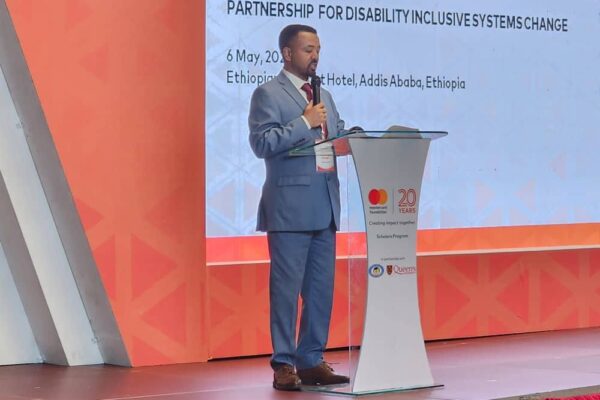
In Addis Ababa’s Getfam Hotel a number of distinguished guests appeared to show solidarity in King Tewodros’s name.
[widgetkit id=8888]
Dr. Hirut W/Mariam, Federal Minister of Culture and Tourism, Dr. Hirut Kassew, Head of the Regional Culture and Tourism bureau, Dr. Desalegn Mengesha, the President of the University of Gondar, Dr. Alula Pankhurst, Social Anthropologist, Prof Mamo Muchie, worldwide intellectual, Prof. Bahru Zewde, author and historian and many others were available to present their thoughts on the historic day.
Tewodros who was born in Quara but who later died in Maqdala was commemorated with a larger than life celebration that incorporated scholarly presentations, thoughts from intellectuals, drama reenactments and vigorous question and answer sessions.
Beyond any other notion, the plea to retrieve all of the looted artifacts from the museums in the United Kingdom were prevalent. The Victoria and Albert Museum that is found in the UK is just one example that was a brought up. This museum is said to be in possession of various stolen treasures from Emperor Tewodros’s fortress. Gold crowns, a dress of Empress Tiruwork to name a few was stolen from Ethiopia in the 19th century.
The Victoria and Albert Museum stated that those possessions could be given to Ethiopia on the basis of a long term loan. But Ethiopia and now various institutions, including the University of Gondar, have rejected these proclamations and are looking for a permanent solution.
Dr. Desalegn Mengesha, the president of the University of Gondar, holds the same stance. “Those ancient artifacts are priceless and since they were stolen from our country we believe a loan is out of the question” he said.
Dr. Hirut W/ Mariam, the Minister of Culture and Tourism, feels the same way. She asserted that the day that the late king sacrificed himself his hair was taken from his corpse and put in the Royal Army Museum in the UK.
Dr. Hirut explicitly denounced such attempts to keep his hair as ‘humiliating’ and ‘disgraceful’. She promised to work together with the group that was formed to oversee the creation of the restitution committee.
Their main objective will be to form a team that will work closely together with the British Government to bring back the artifacts. “I will work hand and hand with the committee and my ministry’s office will be waiting for updates to push things forward” she said.
Prince Alemayehu, the late king’s son, was also a topic of discussion that sparked fierce debate among the participants. In his adolescence he was taken from Ethiopia and was forced to live in the United Kingdom. Due to uncertain circumstances he died at the age of 18 being stripped of proper burial rights in his own country.
Currently Alamayehu is buried at Windsor Castle. The funeral took place on 21 November 1879 with an audience including General Napier, and Captain Speedy. An inscription in St George’s chapel honors him and bears the words “I was a stranger and ye took me in”, but the prince’s body is buried in a small brick cellar outside of the chapel.
The role of UNESCO, the African Union, public opinion in Ethiopia and Britain, the Orthodox Church, social media and news outlets and the Tewodros Foundation will be vital in the restoration efforts to bring back Ethiopia’s possessions.
The goal of this occasion, that was 2 years in the making, is clear. First of all the commemoration aimed at establishing a tour route that showed the life and death of king Tewodros. By creating a much needed opening for these historical sites the country’s culture and heritage as well as its economy will benefit.
Secondly, the Maqdala at 150 tried to shed some light on the stolen treasures that were taken after the king’s death. Moreover, the University of Gondar along with 10 Amhara universities, in consultation with government agencies, are poised to return what was taken.
Maqdala at 150: An Academic-Cultural-Touristic Experience was truly a first of its kind. In the future, with the creation of the Tewodros Foundation, other universities and stakeholders could take this as a model to build their cultural history to create a more colorful and fused country.
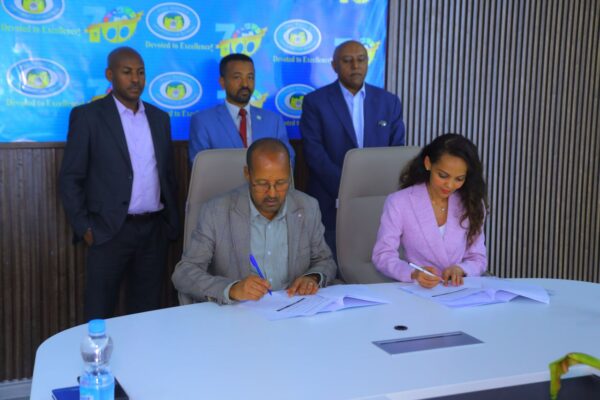
One major step towards progress and dialog has been realized. A committee which will select the main restitution committee has been formed and logged by the Minister of Culture and Tourism. Dr. Desalegn Mengesha, Dr. Alula Pankhurst, Prof. Bahru Zewde and Prof. Mamo Muchie are among the members.
By Samuel Malede| Public & International Relations Directorate