Common Misconceptions about Disabilities
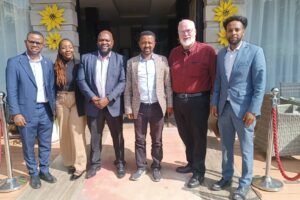
Dean of Drexler University’s Kline School of Law, Professor Daniel Filler, gathered a sizable amount of University higher officials to instruct them on ways on how to assist disabled students in the future. Without holding back on major misconceptions about disabled individuals, Prof Daniel, who has worked with handicapped individuals throughout his career, expressed that the smallest changes can make the biggest difference to people with disabilities.
According to the Dean, every classroom in his institution has an area for people with disabilities. “The same way when an educational institution constructs a facility and makes preparations for bathrooms, light switches classrooms and the likes,” he said, “they should also take into consideration the accessibility and presence of disabled students”.
[widgetkit id=9042]
‘Disability Experts’ also need to be on the radar of faculty, staff and educational administrators. These experts will allow students to have a better experience at a university and will work hand in hand with deans, heads and those higher officials. Their expertise on matter would only create a safe and comfortable environment for these students.
Mrs. Hewot Abebe, who is the Director of the Disability Directorate, also commented on a number of issues that pertain to disabled students. “Administrators are messengers to the university community, therefore when deans, directors make it a priority to do something for disabled students those who are under them will make an effort to do the same. Hence we need to lead by example” stressed Mrs. Hewot.
According to the World Health Organization (WHO) at least 1 billion people, which amounts to 15 percent of the world’s population, are disabled. To put this into perspective 17.6 percent of people found in Ethiopia are labeled as handicapped or disabled.
By Samuel Malede| Public & International Relations Directorate